
Selecting the right plywood for roofing is crucial for ensuring a sturdy, long-lasting roof that can withstand various weather conditions. Here’s a comprehensive guide to help you choose the best plywood for your roofing project:
Check out our Plywood Products
Types of Plywood for Roofing
These plywood grades are recommended for roofing.
1. CDX Plywood
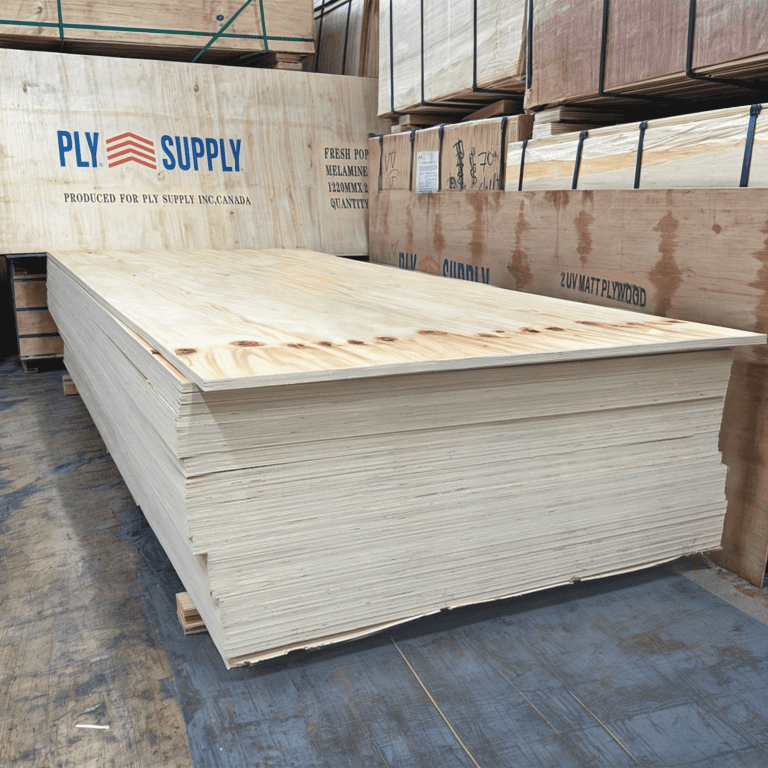
Best for: Most residential roofing applications
Features:
- “C” grade face, “D” grade back, exposure-rated glue (“X”)
- Economical choice for roof sheathing
- Suitable for use under asphalt shingles, metal roofing, and other roofing materials
Check out our CDX Plywood
Order now: Quote Request
2. Exterior Plywood
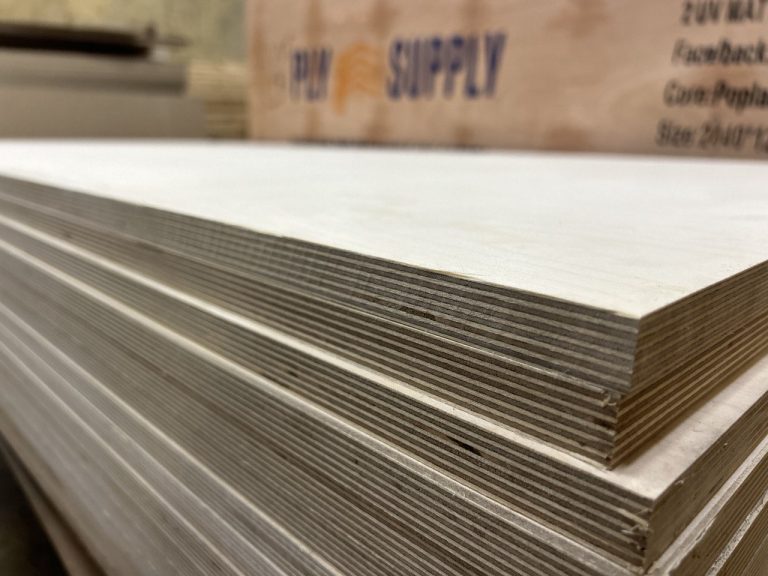
Best for: Roofs in high-moisture or severe weather areas
Features:
- Made with water-resistant glue for better moisture resistance
- More durable than standard CDX in harsh conditions
- Available in various grades (A-C, B-C, C-C)
Check out our Exterior Plywood
Order now: Quote Request
3. Pine Plywood
Best for: Cost-effective roofing solutions
Features:
- Lightweight and easy to handle
- Good strength-to-weight ratio
- Available in various grades
- Excellent nail-holding ability
- Common choice for residential construction
Check out our Pine Plywood
Order now: Quote Request
4. ACX Plywood

Best for: Exposed roof applications where appearance matters
Features:
- “A” grade face for better appearance
- Water-resistant adhesive
- Suitable for open beam ceilings where sheathing is visible
Check out our ACX Plywood
Order now: Quote Request
5. OSB (Oriented Strand Board)
Best for: Cost-effective roofing in areas with moderate weather conditions
Features:
- Made from wood strands arranged in layers and bonded with resin
- Generally less expensive than plywood
- Suitable for use under most roofing materials
6. Marine Plywood
Best for: High-end roofing or areas with extreme weather conditions
Features:
- Highest grade of water-resistant plywood
- Minimal voids and high-quality face veneers
- Excellent durability in harsh environments
Thickness Considerations for Roofing
The appropriate thickness depends on the rafter spacing and local building codes:
- 3/8 inch (9 mm): Minimum thickness, suitable for rafter spacing up to 16 inches (40 cm)
- 1/2 inch (12 mm): Common thickness, suitable for rafter spacing up to 24 inches (60 cm)
- 5/8 inch (15 mm): Provides extra strength, recommended for heavier roofing materials or areas with high snow loads
- 3/4 inch (18 mm): Used for maximum strength and stability, often in commercial applications
Factors to Consider When Choosing Roofing Plywood
- Rafter Spacing: Wider rafter spacing requires thicker plywood for adequate support.
- Local Climate: Choose moisture-resistant options for areas with high humidity or frequent rain.
- Roofing Material: Some roofing materials may require specific plywood grades or thicknesses.
- Building Codes: Always check local building codes for minimum thickness and grade requirements.
- Roof Pitch: Steeper roofs may require thicker plywood to support the weight of workers during installation.
- Wind Resistance: In high-wind areas, thicker plywood and closer fastener spacing may be necessary.
Installation Tips for Roofing Plywood
- Allow 1/8 inch (3 mm) gap between plywood sheets for expansion.
- Stagger the plywood joints to increase the roof’s overall strength.
- Use ring-shank nails or screws designed for roofing applications.
- Follow proper fastener schedules as per local building codes.
- Ensure proper ventilation in the attic space to prevent moisture buildup.
- Apply a water-resistant barrier (e.g., roofing felt or synthetic underlayment) over the plywood before installing roofing materials.
Special Considerations
- Radiant Barriers: Some plywood comes with a radiant barrier attached, which can help reduce heat gain in the attic.
- Fire-Rated Plywood: In some areas, fire-rated plywood may be required for roofing applications.
- Green Building: For environmentally conscious projects, look for plywood certified by organizations like FSC (Forest Stewardship Council).
- Existing Roofs: When re-roofing, inspect the existing plywood for any signs of damage or rot. Replace any compromised sections before applying new roofing materials.
Contact us: we are happy to help you select the best plywood for your specific roofing needs and to provide additional guidance on your project.
