
Selecting the right plywood for flooring is crucial for creating a stable, durable, and long-lasting floor. Here’s a comprehensive guide to help you choose the best plywood for your flooring project:
Check out our Plywood Products
Types of Plywood for Flooring
1. CDX Plywood
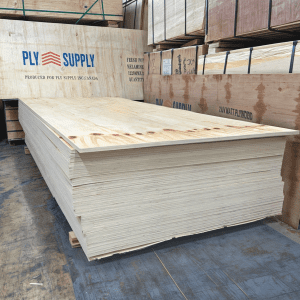
Best for: Subflooring in dry areas
Features:
- “C” grade face, “D” grade back, exposure-rated glue (“X”)
- Economical choice for subflooring
- Suitable for areas that will be covered with finish flooring
Check out our CDX Plywood
Order now: Quote Request
2. Hardwood Plywood

Best for: Decorative flooring or high-end subflooring
Features:
- Attractive face veneers (e.g., oak, maple, birch)
- Can be used as a finished floor surface when properly sealed
- Higher strength and screw-holding capacity
Check out our Hardwood Plywood
Order now: Quote Request
3. Exterior Plywood

Best for: Subflooring in potentially damp areas (basements, bathrooms)
Features:
- Water-resistant glue for better moisture resistance
- More durable than standard CDX in humid conditions
Check out our Exterior Plywood
Order now: Quote Request
4. Marine Plywood
Best for: Flooring in high-moisture areas or outdoor applications
Features:
- Highest grade of water-resistant plywood
- Minimal voids and high-quality face veneers
- Excellent stability and durability
5. Tongue and Groove Plywood
Best for: Subflooring, particularly in high-traffic areas
Features:
- Interlocking edges for added stability
- Reduces squeaking and movement between sheets
- Often available in CDX or better grades
Thickness Considerations for Flooring
The appropriate thickness depends on the application and joist spacing:
- Subflooring:
- 5/8 inch (15 mm): Suitable for joist spacing up to 16 inches (40 cm)
- 3/4 inch (18 mm): Recommended for joist spacing up to 24 inches (60 cm)
- Underlayment:
- 1/4 inch (6 mm) to 1/2 inch (12 mm): Common for creating a smooth base for finish flooring
Factors to Consider When Choosing Flooring Plywood
- Joist Spacing: Wider joist spacing requires thicker plywood for adequate support.
- Moisture Exposure: Choose moisture-resistant options for areas prone to dampness.
- Load Requirements: Consider the expected load on the floor (e.g., heavy furniture, foot traffic).
- Finish Flooring Type: Some finish flooring materials may require specific underlayment.
- Building Codes: Always check local building codes for minimum thickness and grade requirements.
- Tongue and Groove: This feature can provide a more stable floor with less movement.
Installation Tips for Flooring Plywood
- Acclimate the plywood to the installation environment for at least 48 hours before installation.
- Leave a 1/8 inch (3 mm) gap between plywood sheets to allow for expansion.
- Use appropriate fasteners and follow proper fastening schedules as per local building codes.
- For subflooring, apply a bead of construction adhesive to the joists before laying the plywood for added stability.
- Ensure the subfloor is clean, dry, and level before installing underlayment or finish flooring.
- For tongue and groove plywood, ensure the grooved edge faces the wall and the tongue faces the center of the room.
Special Considerations
- Radiant Heat Systems: If installing over a radiant heat system, consult with the manufacturer for compatible plywood recommendations.
- Sound Insulation: In multi-story buildings, consider using special sound-insulating underlayment between the subfloor and finish flooring.
- Green Building: For environmentally conscious projects, look for plywood certified by organizations like FSC (Forest Stewardship Council).
Contact us to select the best plywood for your specific flooring needs.
