
Proper waterproofing is essential for protecting plywood in outdoor applications. This guide will help you effectively waterproof our Pine Plywood, ACX Plywood, and CDX Plywood for maximum durability.
Check out our Plywood Products
Choosing Your Plywood
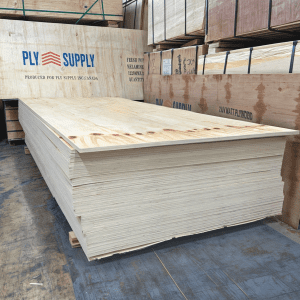
Different plywood types require different approaches to waterproofing:
Pine Plywood
- Economical choice
- More susceptible to moisture
- Requires thorough waterproofing
- Takes well to sealers and treatments
Check out our Pine Plywood
Order now: Quote Request
ACX Plywood
- Already has water-resistant properties
- “A” grade face makes for easier sealing
- Ideal for visible outdoor projects
- Still requires proper waterproofing for maximum protection
Check out our ACX Plywood
Order now: Quote Request
CDX Plywood
- Exposure-rated adhesive
- Requires comprehensive sealing
- Good for utility applications
- Needs special attention to surface preparation
Check out our CDX Plywood
Order now: Quote Request
Waterproofing Methods
1. Surface Preparation
- Sand all surfaces with:
- 80-grit for initial smoothing
- 120-grit for medium smoothing
- 220-grit for final pass
- Remove all dust thoroughly
- Ensure surface is completely dry
- Repair any damaged areas
- Fill holes and knots with exterior wood filler
2. Edge Treatment (Critical Step)
- Sand edges smooth
- Apply liberal coats of end-grain sealer
- Consider multiple applications for edges
- Allow proper drying between coats
- Use epoxy sealer for maximum protection
3. Primary Waterproofing Options
Method A: Oil-Based Sealer
- Apply first coat generously
- Wait 24 hours
- Light sanding with 220-grit
- Apply second coat
- Optional third coat for maximum protection
Method B: Epoxy Sealer
- Mix according to manufacturer’s instructions
- Apply thin, even coat
- Allow to cure completely
- Sand lightly
- Apply second coat if needed
Method C: Marine-Grade Sealant
- Apply thin, even coat
- Allow 12-24 hours drying time
- Light sanding between coats
- Apply minimum two coats
- Consider three coats for severe exposure
4. Top Coating Options
- Marine varnish
- UV-resistant polyurethane
- Exterior paint
- Water-resistant deck coating
Best Practices for Application
1. Weather Conditions
- Temperature: 50-85°F (10-29°C)
- Humidity: Below 85%
- No rain forecast for 48 hours
- Avoid direct sunlight during application
2. Application Tools
- Natural bristle brush for oil-based products
- Foam roller for large surfaces
- Clean lint-free cloths
- Disposable gloves
- Respirator when needed
3. Coverage Rates
- Follow manufacturer’s specifications
- Generally 2-3 coats minimum
- Heavier application on end grain
- Don’t spread too thin
Additional Protection Methods
1. Physical Barriers
- Metal flashing on horizontal surfaces
- Rubber membranes for ground contact
- Ventilation gaps in construction
- Proper drainage slopes
2. Design Considerations
- Minimize horizontal surfaces
- Include adequate ventilation
- Create proper water drainage
- Avoid direct ground contact
3. Regular Maintenance
- Inspect quarterly
- Clean surfaces regularly
- Reapply sealer annually or as needed
- Address damage promptly
Common Problems and Solutions
Water Damage Signs
- Delamination
- Swelling
- Color changes
- Softening
Preventive Measures
- Proper drainage
- Regular inspections
- Prompt repairs
- Annual maintenance
Emergency Treatment
- Dry thoroughly
- Sand affected areas
- Apply fungicide if needed
- Reseal completely
Long-Term Maintenance Schedule
Every 3 Months
- Visual inspection
- Clean surfaces
- Check drainage
- Look for damage
Annually
- Deep cleaning
- Touch-up sealing
- Check all edges
- Repair any damage
Every 2-3 Years
- Complete resealing
- Thorough inspection
- Update protective measures
- Replace damaged sections
Safety Considerations
1. Personal Protection
- Use appropriate respirator
- Wear eye protection
- Use chemical-resistant gloves
- Work in well-ventilated area
2. Environmental Concerns
- Proper disposal of materials
- Containment of runoff
- VOC considerations
- Local regulation compliance
This can significantly extend the life of your outdoor plywood projects. Remember that prevention is always better than cure when it comes to water damage.
Contact us to select the right plywood and recommend appropriate waterproofing products for your specific project needs.
