
Using plywood for a ceiling is a practical choice for many projects, especially where strength, ease of installation, and durability matter. Plywood can be used for ceiling panels in garages, porches, basements, workshops, and finished interiors — but the right plywood type and thickness depend on the application, exposure to moisture, and the desired finish.
Can You Use Plywood for Ceiling?
Yes, plywood is a solid option for ceilings. It provides a strong, stable surface that can be painted, stained, or left unfinished depending on the plywood grade. It is often chosen for garage and workshop ceilings because it’s durable, easy to install, and can support lighting fixtures or storage.
Is Plywood Good for Ceiling?
Plywood works well for ceilings when the correct grade is chosen. It’s especially good when you need:
A sturdy substrate for finish materials
A durable surface that resists sagging
A stable panel that holds screws well
However, it’s important to choose a plywood type suited to the environment (e.g., moisture exposure or outdoor use).
Drywall or Plywood for Garage Ceiling
For garage ceilings, plywood is often a better option than drywall because:
It holds screws and fasteners better
It is more impact-resistant
It tolerates temperature changes and humidity better
It can support hanging storage and fixtures
Drywall is still common for finished garages, but plywood offers more durability and easier installation for utility spaces.
Plywood for Porch Ceiling
For porch ceilings, moisture resistance and stability are key. The best options are:
Exterior Plywood (for moisture resistance and weather exposure)
ACX Plywood (if the porch is covered and you want a smoother finish)
For open porches, exterior-grade plywood is recommended to prevent swelling and delamination.
Plywood for Ceiling Thickness
Choosing the right thickness depends on the span and support structure. Common thicknesses:
1/2″ (12mm) — standard for many ceiling installations
5/8″ (15mm) — recommended when spans are longer or when extra stiffness is needed
3/4″ (18mm) — for heavy-duty or exposed ceilings where strength matters
If you’re unsure, 5/8″ is often the safest choice for ceilings with standard joist spacing.
What Size Plywood for Ceiling?
The most common sheet size is 4×8 ft, which fits standard ceiling joist spacing and is easiest to handle. Larger sheets can be used but may require more support during installation.
Is Marine Plywood Good for Ceiling?
Marine plywood is excellent for moisture-prone environments, but it is not usually necessary for standard ceilings. It is a premium product and can be more expensive. For most ceiling applications, Exterior plywood or ACX plywood offers sufficient moisture resistance at a better price.
Best Plywood Types from Our Inventory
Here are the plywood options from your inventory that actually make sense for ceiling use:
Exterior Plywood
Best for: Porch ceilings, outdoor covered structures, moisture-prone areas
Benefits: Weather-resistant, durable, stable under humidity.

Check out our Exterior Plywood
Order now: Quote Request
ACX Plywood
Benefits: Smooth A-face for finishing, strong core, good moisture resistance.
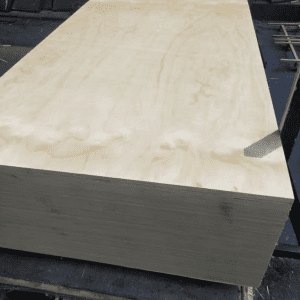
CDX Plywood
Best for: Utility garage ceilings and workshops
Benefits: Cost-effective, structural grade, suitable where appearance is not important.
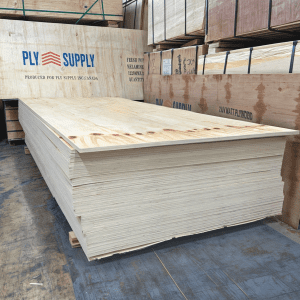
Check out our CDX Plywood
Order now: Quote Request
Softwood Plywood
Best for: Ceilings in garages and workshops
Benefits: Lightweight, easy to work with, cost-effective for large areas.
Check out our Softwood Plywood
Order now: Quote Request
Hardwood Plywood (when aesthetics matter)
Best for: Finished interiors with visible ceiling panels
Benefits: Strong, stable, takes stain and finish well.

Check out our Hardwood Plywood
Order now: Quote Request
Need Help Choosing the Right Ceiling Plywood?
If you’re unsure which plywood is best for your ceiling — garage, porch, or finished room — our team can help you choose the right panel based on moisture exposure, support structure, and finish requirements.
